 Back
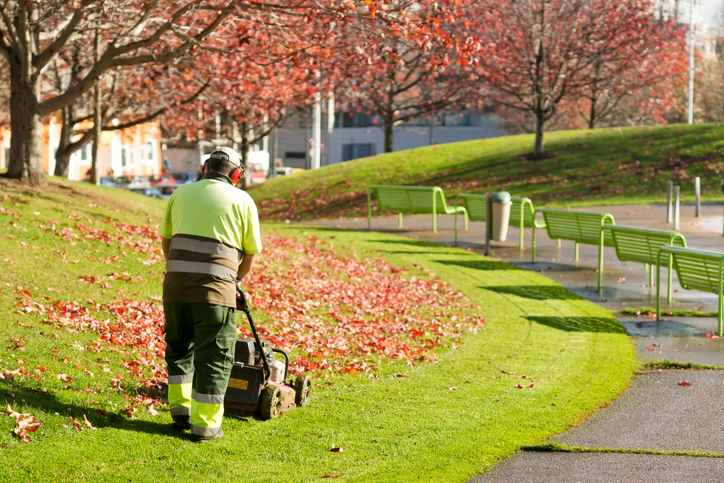
Our recent Hazardous Manual Tasks Webinar provided members with a practical overview of hazardous manual tasks, the injuries they can cause, and the steps organisations can take to better manage the risks.
The session began by looking at the characteristics of manual tasks and what makes some tasks hazardous. Manual tasks can involve lifting, lowering, pushing, pulling, carrying, holding, restraining or repetitive movement. They become more hazardous when they require awkward postures, sustained force, repetitive actions or prolonged physical effort.
A key focus of the webinar was manual task injuries, particularly musculoskeletal injuries and disorders. These are among the most common workplace health issues and can affect muscles, joints, tendons, ligaments and nerves. They often develop gradually over time through repetitive movements, poor posture, awkward positions or manual tasks, rather than from a single incident.
This remains a significant issue across the local government sector, with musculoskeletal injuries continuing to be a leading cause of workers’ compensation claims. As a result, the LGIS injury prevention service continues to play an important role in helping members reduce risk, strengthen safer work practices and respond proactively to the causes of workplace injury.
The webinar also covered the manual task risk management process, including legislative requirements, identifying and assessing hazardous manual tasks, and implementing effective controls. Overall, the session reinforced that managing hazardous manual tasks is not just about compliance, but about creating safer, healthier and more sustainable workplaces.
To view the webinar, click HERE
For more information about our injury prevention services, please contact our LGIS WorkCare Services manager at health@lgiswa.com.au