 Back
Back
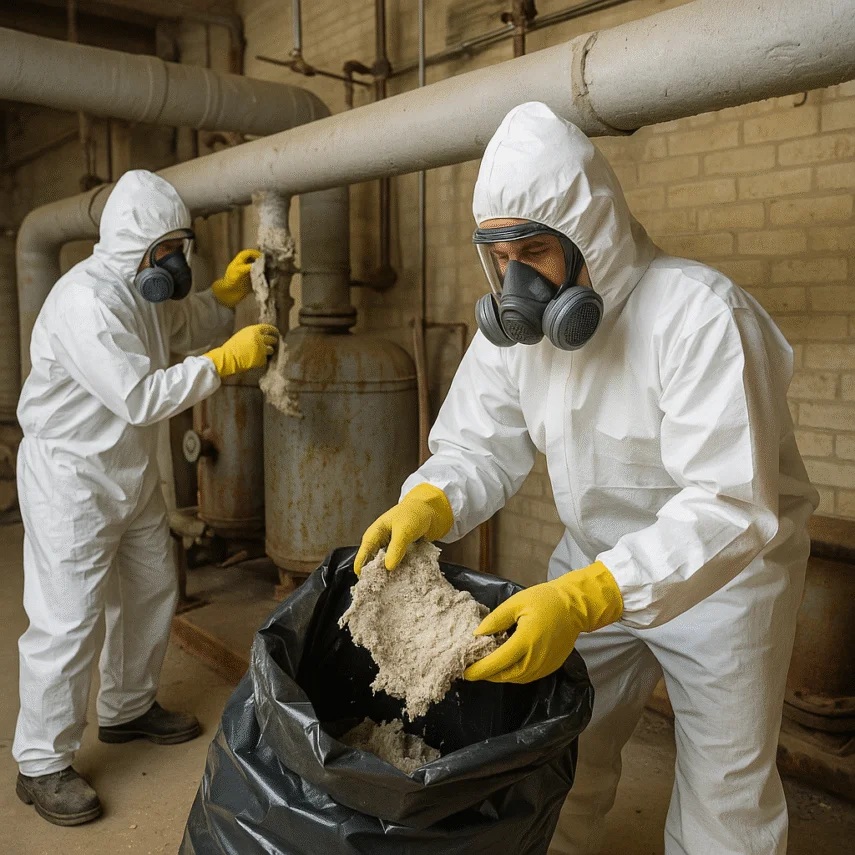
Workplace hazards such as asbestos and excessive noise remain a significant risk across many local government environments, particularly in older building, operational sites and areas where plant and equipment are regularly used. While these hazards are well known, they can still have long-term health and safety consequences if they are not properly identified, assessed and managed.
Current trends show many LGIS members are refocusing on the fundamentals of workplace health and safety. After a strong emphasis on mental health initiatives over the past two years, there is growing demand for practical support that strengthens core WHS knowledge and everyday risk controls across local government workplaces.
In response, LGIS has refine its workshop offerings to better reflect emerging member needs, including the introduction of two new sessions: Asbestos Awareness and Noise Awareness. These additions provide targeted support in key compliance and risk areas that remain highly relevant across local government operations.
These hazards are common across local government envrionments, and both require practical awareness to support safer decisions, stronger compliance and more effective day-to-day risk management.
Although the manufacture and use of asbestos products was banned in Australia from 31 December 2003, many local government buildings and dwellings are older and may still contain asbestos. Materials containing asbestos can still be found in places such as cladding, eaves, roof sheeting, electrical switchboards, sheds, wet areas, floor tires and linoleum. When disturbed, asbestos fibres can pose serious health risks.
Noise is another common workplace hazard that can be underestimated. Workers across depots, worksites, workshops, and plant operations may be exposed to hazardous noise as part of their everyday duties. Over time, that exposure can contribute to permanent hearing damage, and can also affect communuication, concentration and overall workplace safety.
By introducing Asbestos Awareness and Noise Awareness, LGIS is helping members strengthen capability in two important areas of risk. More broadly, the refreshed offering reflects a practical response to what members are asking for now: support that reinforces WHS fundamentals, strengthens compliance and helps local governments manage common workplace hazards with greater confidence.
For more information, please reach out to Emma Horsefield at emma.horsefield@lgiswa.com.au.