
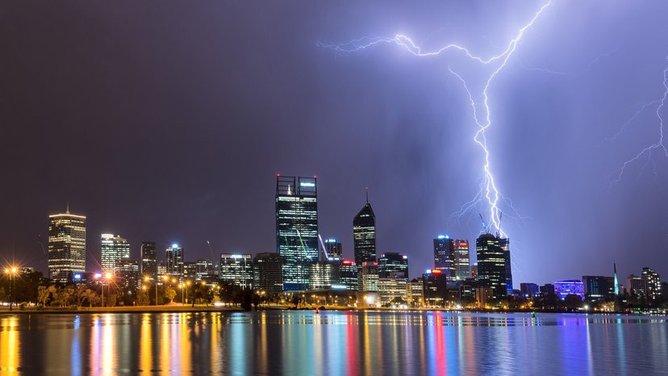
Winter has started to settle in across WA, and the stormy conditions over the weekend were a timely reminder of how quickly conditions can change at this time of year. Even when the Perth metropolitan area feels relatively calm between systems, winter fronts can bring bursts of heavy rain and strong winds- leading to big impact with little notice.
That said, there’s still time to prepare. Historically, around 50% of storm, flooding and water damage claims occur between June and August, making early winter an important window to reduce risk.
Road-related claims also increase during the colder months, with wet conditions and deteriorating surfaces contributing to more incidents. From 2021 to 2025, LGIS received 470 road surface and pothole claims, with 83% of those lodged during winter.
Tree-related claims continue to be a significant driver of losses. Across the last five years, winter accounts for 24% of tree branch, tree failure and root claims, and tree branch/debris claims spike in winter, representing 18% of claims within that category.
Storms and water damage: why preparation matters
Storms can be unpredictable and vary in intensity across WA. Damaging winds, heavy rain, lightning, hail and flash flooding can cause substantial damage to property, vehicles and the surrounding environment.
Over the past five years, more than $2.5 M has been paid in storm, flood and water damage claims, representing 13% of total paid claims across property, liability and motor fleet.
Practical steps to reduce common winter claims
To help minimise the most frequent winter losses, LGIS members are encouraged to take the following preventative actions:
Ensure street drainage systems are maintained and cleared of debris
Respond promptly to reported potholes and identified road defects
Identify and secure loose or damaged roof materials
Respond quickly to fallen trees and hanging branches
Inspect and clear gutters and downpipes to prevent overflow and internal water damage
Maintain overhanging trees near power lines
People, plans and continuity
Preparation isn’t just about physical assets—it’s also about having clear, tested procedures in place if conditions worsen. This includes:
Emergency management plans, such as evacuation procedures, emergency supplies, and up-to-date contact lists.
Business continuity plans for potential building damage, power outages, or IT system disruptions.
Winter fire safety reminder
Members are reminded to stay alert to workplace fire risks, which can increase in winter as heating and other ignition sources are used more frequently. This includes risks from heating systems and portable heaters, as well as open flames and ignition items such as fireplaces, candles, matches, and lighters.
Fire can spread quickly, so it’s important to maintain year-round readiness—know your local evacuation routes and assembly point and follow directions from floor wardens during an alarm.