 Back
Back
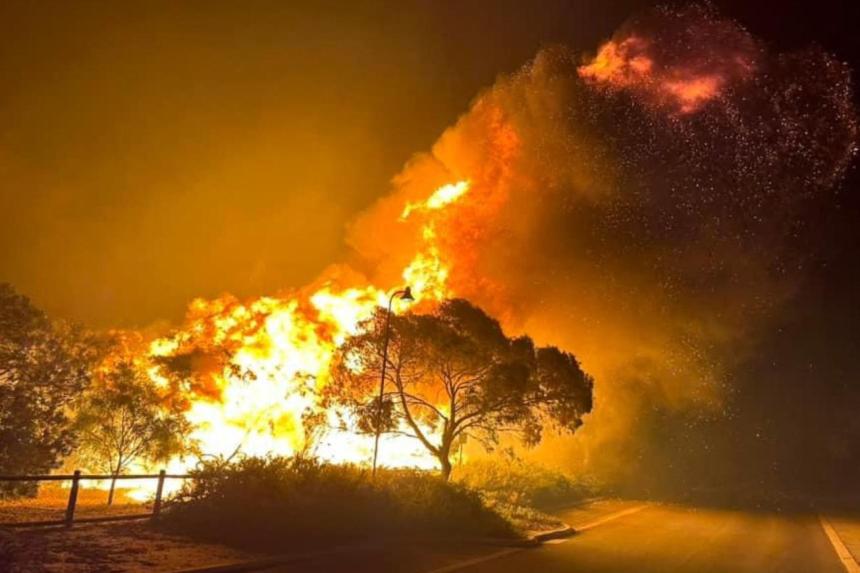
Western Australia's hazard exposure is increasing. Extensive areas across the state are experiencing hotter and drier conditions. Some landscapes are facing more intense bushfires and increased extreme rainfall, while coastal storm surges are occurring in others, alongside ongoing cyclone risk in northern WA.
LGIS protects WA local governments people, assets and liabilities within this hazard context and we understand that climate variation, ageing infrastructure, and development patterns are changing the risk profile of many of our members. These factors inform LGIS protection and risk management programs.
The risk profile for every local government changes across the years and members are encouraged to continuously review their risk management approach. When considering the hazards and potential emergencies for your local government we recommend using the four pillar approach.
Pillars of mitigation and risk management
Prevention (avoidance),
Mitigation (reduce severity),
Preparedness (plans and capability),
Response and recovery (restore quickly)
Building on from the pillars of prevention, mitigation, preparedness and response and recovery, it is important for members to recognise the range of hazard types that can trigger an emergency and cause significant impact across communities. There is a vast array of information available from the Australian Institute for Disaster Resilience, Australian Climate Service- Hazard Insights and Australian Disasters, plus the annual Marsh Global Risk Report and JLT Public Sector Risk Report. None of these are comprehensive or consider the unique circumstances of your local government, however they're an excellent place to start when thinking about your own situation.
Here is a list of the most common potential risks that your local government may like to consider.
Potential risks that could cause an emergency
Bushfire risk (including changing fire behaviour)
Flooding and inland flash floods
Coastal erosion, storm surge and sea‑level rise
Cyclone and tropical storm impacts (northern and some central WA)
Extreme heat and public‑health impacts
Drought and water security
Severe convective storms, hail and wind
Cascading infrastructure failures and supply‑chain disruption
Workforce and volunteer resilience (including fatigue)
Cybersecurity and communications failure during emergencies
Biodiversity and ecosystem degradation as risk multipliers (adds pressure to natural buffers eg: dune degradation and impact on flood and coastal erosion risk)
Emerging and compound risks (simultaneous events) (e.g., heatwave followed by bushfire then storm) create complex response and recovery challenges.
10-Year plan
Once risks have been identified within your context and
responsibilities, we recommend a 10-year approach that has short, medium, and
long-term steps. Councillors, and Audit and Risk Committees will seek assurance
that key risks are being considered, controls are fit for purpose, and current
plans have been tested.
Implementing controls can be resource intensive, often requiring people, funding, time and physical assets. Prioritisation is crucial; to identify the issues and actions your local government needs to focus limited resources on to achieve the best results for your organisation, people and community.
When considering the mitigation actions, you could take it can feel overwhelming, especially when considering global issues such as climate change. The key is to consider the areas within the control of your local government; consider selecting one of the operational actions suggested below.
Immediate operational actions members can take
Improve data and risk modelling: Update hazard, exposure and vulnerability data; run scenario planning to 2036+ using climate projections; share data regionally to cut costs and support joint mitigation.
Prioritise and fund critical mitigation: Identify critical assets and services and prioritise upgrades and use.
Invest in nature-based solutions and green infrastructure: including wetlands, buffer zones, dune rehabilitation and riparian restoration reduce flood and coastal risk and provide co-benefits (biodiversity, amenity).
Improve emergency preparedness and recovery capability: regular exercises, upskilling staff and mutual aid agreements.
For more information, please contact the LGIS Risk Services team on 08 9483 8888.